8888888888888888888888888888888888888888888888888888888888888888888888888888888888
888888888888888888888888888888888888888888888888888888888888888888888888888888888888888888888888888888888888888888888888888888888888888888888888888888888888888888888
8888888888888888888888888888888888888888888888888888888888888888888888888888888888888888888888888888888888888888888888888888888888888888888888888888888888888888888888
888888888888888888888888888888888888888888888888888888888888888888888888888888888888888888888888888888888888888888888888888888888888888888888888888888888888888888888888888888888888888888888888888888888888888888888888888888888888888888888888888888888

Everett Jenkins’ Pan-African Biographies
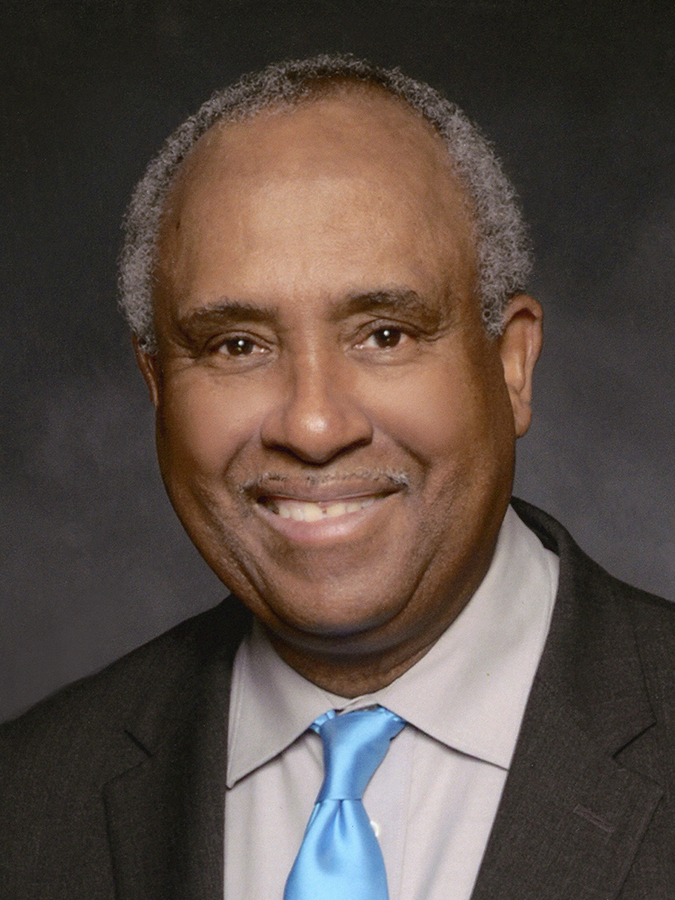
Attorney Everett Jenkins, Jr. is best known for his Pan-African Chronology series, which presents a global view of the African diaspora from the 1400s to the 1920s. While the series is primarily a chronological reference, it includes special biographical sections that highlight key figures in the African American and Pan-African movements.
Pan-African Chronology III — Biographical Focus
In Pan-African Chronology III: A Comprehensive Reference to the Black Quest for Freedom in Africa, the Americas, Europe and Asia, 1914–1929 (2001), Jenkins dedicates two special biographical divisions to:
W.E.B. Du Bois — covering his life, activism, and role in the NAACP and Pan-Africanism.
Marcus Garvey — detailing his leadership of the Universal Negro Improvement Association (UNIA) and the Black Star Line Google Books.
These sections are integrated into the year-by-year event structure, allowing readers to see how these figures’ lives intersect with major historical developments of the era, such as World War I, the Harlem Renaissance, and the rise of Pan-African consciousness.
Other Volumes and Context
Pan-African Chronology II (2011) covers 1865–1915, a period of Reconstruction, the NAACP’s founding, and the “separate but equal” doctrine. While not as focused on biographies, it still situates key historical actors within the broader African diaspora narrative McFarland.
Pan-African Chronology I (1996) spans 1400–1865, including the transatlantic slave trade and early African American resistance, with biographical sketches of figures like Olaudah Equiano and Toussaint Louverture Archive.
Style and Purpose
Jenkins’ approach is juxtapositional — placing events in Africa, the Americas, Europe, and Asia side by side to show interconnected struggles for freedom. The biographical sections serve as case studies of individuals whose lives shaped or reflected these global movements McFarland+1.
Access
These works are available through:
McFarland & Company (publisher of the series)
University of California libraries (e.g., UCLA’s Young Research Library)
Smithsonian Institution Archives (digital access to some volumes)
Online book retailers (e.g., McFarland’s website, Amazon)
If you are interested in Everett Jenkins’ Pan-African biographies, Pan-African Chronology III is the most focused source, with dedicated chapters on Du Bois and Garvey, while the earlier volumes provide broader biographical context across the African diaspora.

No comments:
Post a Comment